Food safety does not end when cooking is done. In many ways the riskiest part of the process begins the moment food leaves the heat: the cooldown. Between 60 °C and 5 °C, food passes through the temperature danger zone, where bacteria multiply fastest.
That is why the rules set time limits. In Australia, Standard 3.2.2 of the Food Standards Code requires cooked potentially hazardous food to cool from 60 °C to 21 °C within 2 hours, and from 21 °C to 5 °C within a further 4 hours.
Why manual cooldown logging fails
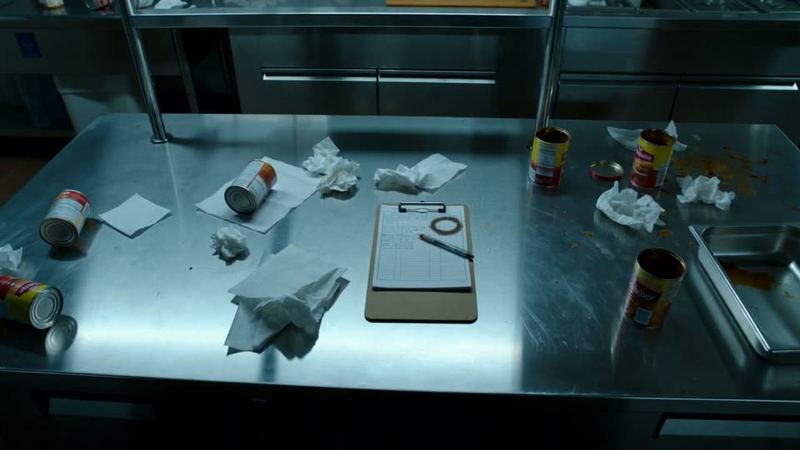
Traditional cooldown monitoring means someone returning to probe the food at set intervals and writing each reading into a log. In a busy kitchen this is exactly the task that slips: a rush of orders, a shift change, an interruption. A missed reading becomes a compliance gap, or worse, unsafe food.
If a cooldown is running too slowly, the kitchen is alerted while there is still time to act, not the next morning.
What the Cooldown Device does differently
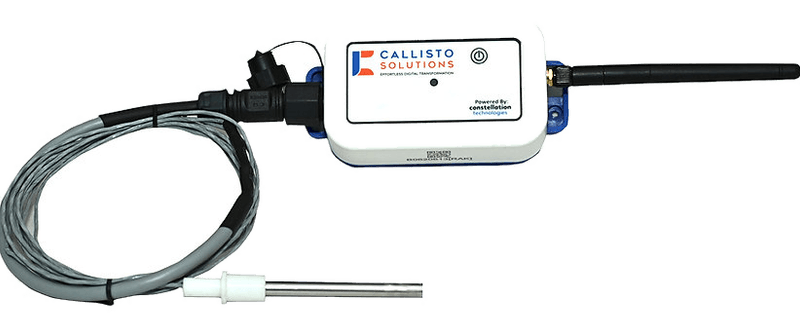
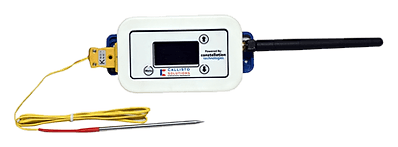
The MeridianCT Cooldown Device automates the process. Place the probe in the cooling food and it tracks the temperature continuously, time-stamps the 60 °C, 21 °C and 5 °C stages, and checks that the food passes each one within the required window.
Every cooldown creates a complete digital record: start temperature, curve, stages and outcome. When the auditor asks, the evidence is already organised. No transcription and no guesswork.
Cooling is where temperature control matters most. Automating it removes the risk and gives your team their time back.