Monitoring is only as reliable as the wireless network underneath it. Choose well and your sensors report from anywhere in the building; choose poorly and you inherit dead zones, dropped readings and constant maintenance.
LoRaWAN: built to get through walls
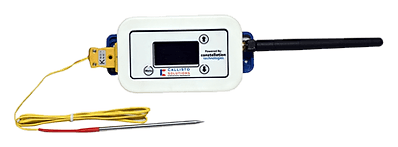
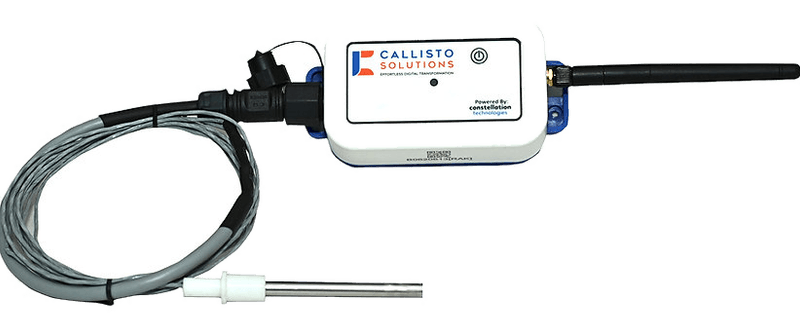
MeridianCT's LoRaWAN devices work on the 915 MHz band, which carries well through dense structures such as brick, concrete, metal and cool room panels. That makes LoRaWAN a strong fit for buildings with thick or reinforced construction: hospitals, cold stores, industrial sites and multi-level buildings, all served by your own gateway on site.
LPWAN: coverage without gateways
LPWAN devices (Cat-M1 and NB-IoT) take the opposite approach: each one carries its own SIM and connects through the mobile network. There is no gateway to install, which makes LPWAN the natural fit for assets that move between sites, vehicles on the road, or places where installing infrastructure is not practical.
The honest answer is often both, each where it is strongest, feeding the same platform.
Which one is right for you?
- A fixed installation such as a kitchen, ward or cold store leans LoRaWAN.
- Moving assets, delivery runs and remote rooms lean LPWAN.
- A mixed operation uses each where it is strongest.
Because both feed the same platform, the choice is invisible to your team. They see every asset, every temperature and every alert in one place. Talk to us about your site and we will help you map the right backbone for it.