Retail, Supply Chain & Industrial
Cold rooms that report themselves.
Chillers, freezers and dock areas monitored continuously, with alerts before stock is at risk and a temperature record for every customer who asks.
Usually led by Callisto
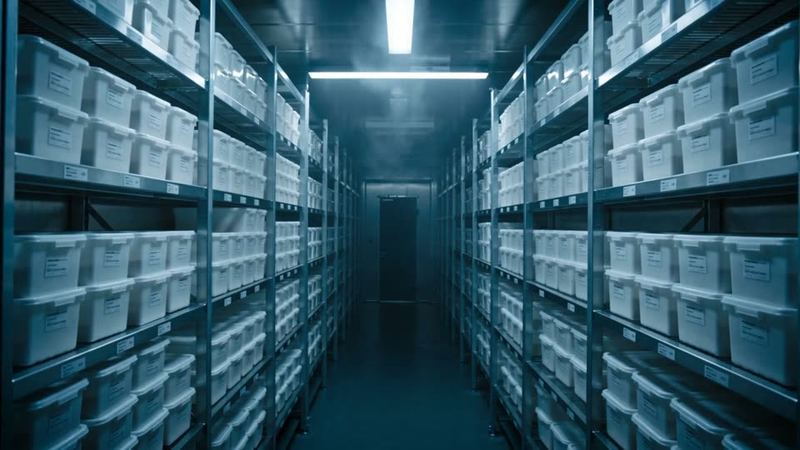
Cold storage · the problem
Three problems we solve.
What goes wrong in warehousing & cold storage when checks live on paper and alerts depend on someone noticing.
-
Big rooms, small margins
One failed compressor can put a whole room of customers' stock at risk.
-
Doors left open
A dock or freezer door left open warms the stock and wastes energy.
-
Customers who want evidence
Every customer can ask you to prove their goods stayed in range.
Recommended products
What we would put in first.
The products that usually lead in warehousing & cold storage. Each works on its own, and all of them share one login.
Callisto
In warehousing & cold storage: Monitors chillers, freezer rooms and doors around the clock, with escalating alerts and scheduled reports.
Explore Callisto One login · AppsThe platform
In warehousing & cold storage: Dashboards, reports and mobile alerts across every room and site.
Explore The platformHardware
Devices that fit.
Sensors and probes designed by our own engineers, all connected to the same platform.
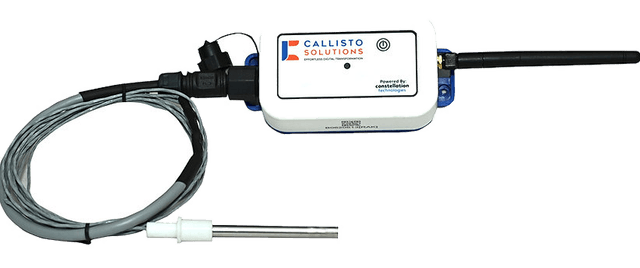
Standard Device B0
Chillers and freezer rooms, with door contacts.
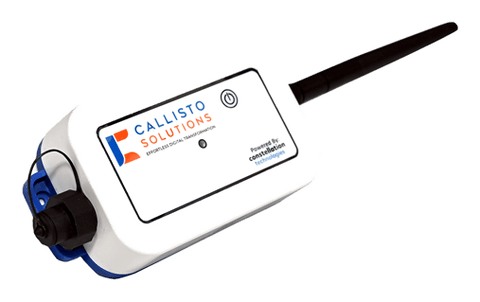
Standard Device A0
Remote rooms and sites without a gateway.
CT Gateway
One always-on hub per building.
Regulations
The rules you work under.
The rules that usually apply in warehousing & cold storage, and the records they ask for. MeridianCT captures those records as the work happens.
- Food Standards Code 3.2.2 (official source, opens in a new tab)
- Keep potentially hazardous food at 5 °C or colder, or 60 °C or hotter. Cool cooked food from 60 °C to 21 °C within 2 hours, then to 5 °C within a further 4 hours.
- HACCP
- Hazard Analysis and Critical Control Point: the internationally recognised way to identify food safety hazards and control them at the points that matter.
A plain-language summary, not legal advice. Rules differ by state and territory. MeridianCT keeps the records these rules ask for; your team and your regulator decide compliance.
Retail, Supply Chain & Industrial
More in this group.
Stores, suppliers, cold stores, fleets and industrial sites that keep stock in range.
Book a demo
See it in your warehouse.
A short walkthrough of the live product, shaped around your warehouse, your workflows and the rules you work under.