Food Service
Workplace dining that runs to standard.
Staff restaurants, cafés and function catering with monitored cold storage, allergen-aware menus and audits that stand up to your client's scrutiny.
Usually led by CallistoFoodIQAssureIQ
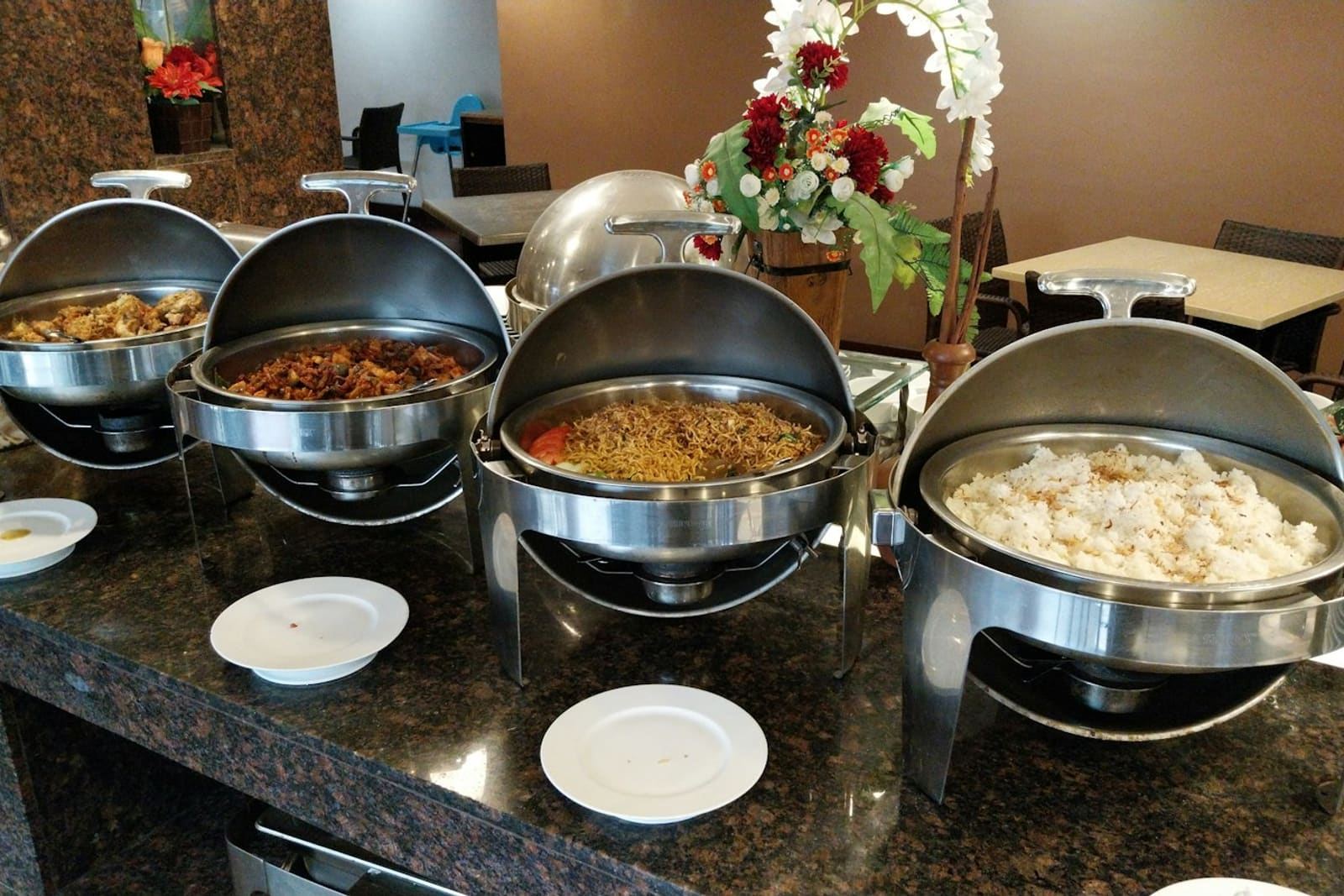
Corporate dining · the problem
Three problems we solve.
What goes wrong in corporate dining when checks live on paper and alerts depend on someone noticing.
-
Your client is watching
Corporate clients expect food safety and allergen handling to be documented, not promised.
-
Menus that change every week
Rotating menus and functions mean new recipes, new allergens and new labels, constantly.
-
Small teams, long days
Breakfast to late functions on a lean crew leaves little time for logs.
Recommended products
What we would put in first.
The products that usually lead in corporate dining. Each works on its own, and all of them share one login.
Callisto
In corporate dining: Monitors cold storage and hot holding, and turns daily checks into digital HACCP records.
Explore Callisto Menus · Recipes · AllergensFoodIQ
In corporate dining: Weekly and function menus with allergens and nutrition calculated from the recipe.
Explore FoodIQ Audits · SafetyAssureIQ
In corporate dining: Client-ready audits with scoring, findings and corrective actions.
Explore AssureIQHardware
Devices that fit.
Sensors and probes designed by our own engineers, all connected to the same platform.
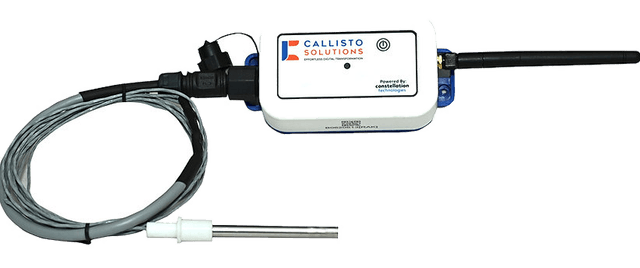
Standard Device B0
Grab-and-go fridges, cool rooms and function hot boxes.
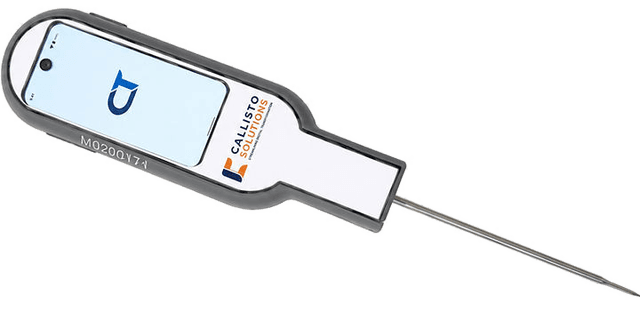
Mobile Handheld
Cooking, hot-holding and delivery checks.
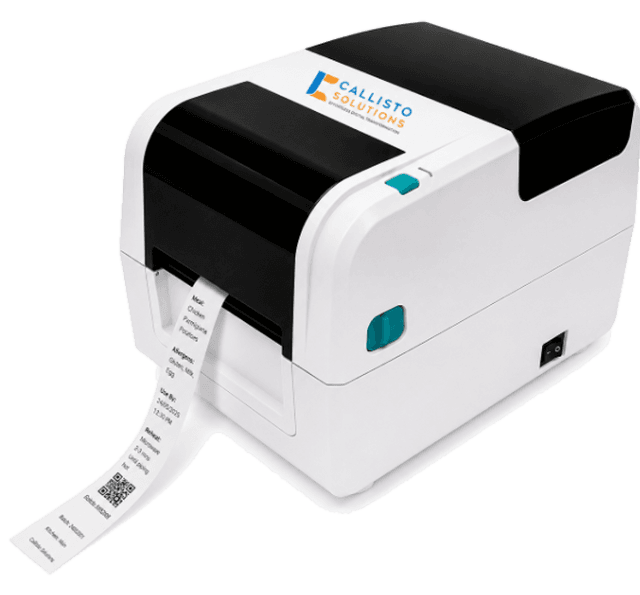
CT Label Printer
Grab-and-go labels with use-by dates and allergens.
Regulations
The rules you work under.
The rules that usually apply in corporate dining, and the records they ask for. MeridianCT captures those records as the work happens.
- Standard 3.2.2A (official source, opens in a new tab)
- Food safety management tools for food service, catering and related retail: a food safety supervisor, food handler training and, for category one businesses, records of key activities.
- Food Standards Code 3.2.2 (official source, opens in a new tab)
- Keep potentially hazardous food at 5 °C or colder, or 60 °C or hotter. Cool cooked food from 60 °C to 21 °C within 2 hours, then to 5 °C within a further 4 hours.
- HACCP
- Hazard Analysis and Critical Control Point: the internationally recognised way to identify food safety hazards and control them at the points that matter.
A plain-language summary, not legal advice. Rules differ by state and territory. MeridianCT keeps the records these rules ask for; your team and your regulator decide compliance.
Food Service
More in this group.
Contract caterers, central production kitchens, restaurants and workplace dining.
Book a demo
See it in your workplace.
A short walkthrough of the live product, shaped around your workplace, your workflows and the rules you work under.